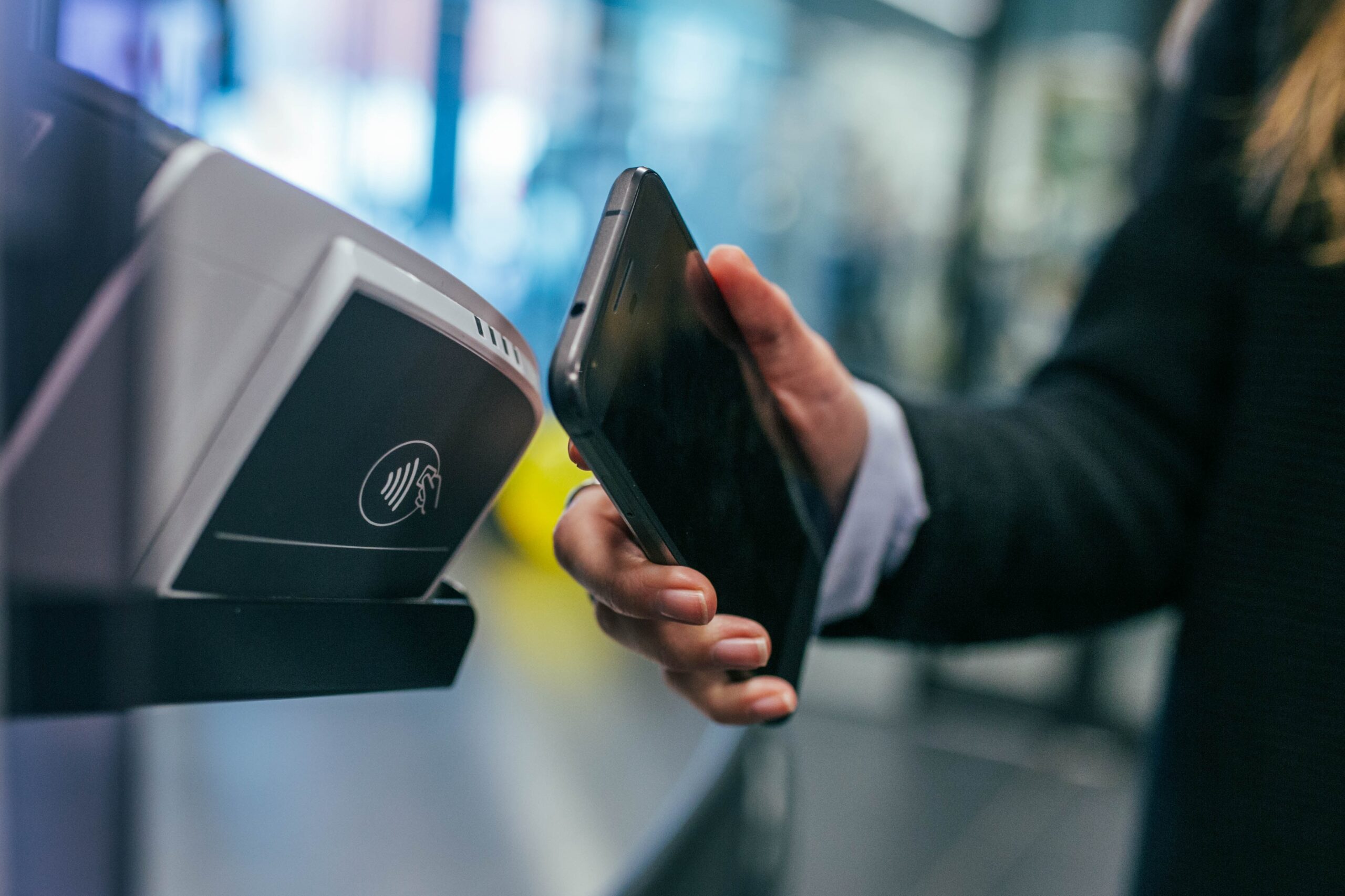
In an ever-evolving world, the retail industry has emerged as a ground for unprecedented technological innovation. Stores and brick-and-mortar spaces, once defined by shelves full of products and cash registers, have been transformed by the growing influence of technology. In this digital age, the intersection between commerce and technological innovation has given rise to a new paradigm in retail: one based on optimization, personalization, and the creation of unique experiences for consumers.
Retail, which has historically been driven by supply and demand, is now being redefined by the capacity of advanced technologies to anticipate the needs and preferences of consumers. From efficient inventory management to the creation of immersive shopping environments, every aspect of the retail experience has been impacted by this technological revolution. In this blog, we will explore how the latest innovations in technology are shaping the future of retail and how these trends are redefining the way we shop, interact, and experience physical stores and online.
In the upcoming installments of this blog, we will dive deeper into each key aspect of this technological revolution in retail. From advances in inventory management and logistics to the creation of stronger connections with customers through personalization and virtual interaction, we will unravel the mysteries of how technology is reshaping retail in ways we could barely have imagined just a few years ago. Get ready to explore a world where stores are no longer simply places to shop, but stages where technology and creativity converge to deliver an entirely new shopping experience.
Navigating the Transformation: The Technology Redefining Retail
In this section, we will dive into a table that concisely breaks down how retail from a technological perspective. As we explore this digital roadmap, we will uncover the layers of innovation behind each key aspect of the retail industry, from inventory management to security, through customer experience and beyond. Each cell of this table is a glimpse of how technology is unleashing bold possibilities and revolutionizing the very essence of retail as we know it.
So get ready to dive into this technological journey through retail. As we navigate the intersections of innovation and commerce, you will discover how the latest trends and technological solutions are shaping a retail landscape that is smarter, more efficient, and more captivating than ever.
| AsAspect | Technologies | Functions and Benefits |
|---|---|---|
| Inventory Management | RFID, Sensores IoT | Seguimiento en tiempo real del inventario, reducción de péReal-time inventory tracking, reduction of losses due to stock shortages/excess. |
| Customer Experience | Mobile Apps, Augmented Reality, IoT | Personalized, interactive, and engaging experiences; improved customer retention and satisfaction. |
| Payments and Self-Checkout | Mobile Payment Systems, Self-Checkou | Faster checkout process, reduced queues, and smooth shopping experience. |
| Data Analysis | Big Data, Analytics, IA | Understanding customer preferences and behavior; optimization of decisions and strategies. |
| E-Commerce | E-Commerce Platforms, Logistics | Global reach, online sales, logistics, and shipment tracking. |
| Artificial Intelligence | Personalized Recommendations, Chatbots | Improved customer service, accurate recommendations, and demand forecasting. |
| Virtual and Augmented Reality | VR/AR Applications, Virtual Showcases | Virtual product testing, reduced returns, immersive experience. |
| Robótica | Automated Robots, Warehouse Systems | Warehouse management efficiency, automated tasks, improved productivity. |
| Security and Loss Prevention | Advanced Video Surveillance, Video Analysis | Theft prevention, loss reduction, improved security. |
| Price Optimization | Dynamic Pricing Algorithms | Price adjustment based on demand and competition, revenue maximization. |
The Importance of B2B and B2C in Retail: Keys to Commercial Success for Your Online Store
In the dynamic world of retail, the concepts B2B (Business to Business) and B2C (Business to Consumer) are essential to understanding the nature and scope of commercial operations. B2B refers to commercial transactions between companies, where products or services are sold from one business to another. On the other hand, B2C encompasses the relationship between a company and the end consumer, where products reach the public directly. Both approaches play a crucial role in the global economy and the evolution of modern retail.
The importance of B2B lies in its ability to facilitate the supply chain and foster collaboration between companies. Transactions B2B allow companies to acquire raw materials, components, and services necessary for their operations. This efficient exchange of resources is essential to ensure continuous production and the quality of final products. On the other hand, B2C is the backbone of traditional retail, where companies strive to understand and meet the needs of the individual consumer. This direct relationship with end customers drives innovation, product personalization, and the building of a loyal consumer base.
In summary, B2B and B2C are two fundamental pillars of contemporary retail. The first supports complex supply chains and business relationships between companies, while the second establishes a direct link between brands and end consumers. The harmonious interaction between these two approaches is essential for operational efficiency, adaptability, and sustainable growth in the retail industry.
Steps to Create a B2B and B2C Online Store
Creating a successful B2B and B2C store requires strategic planning, solid technological implementation, and constant attention to the changing needs of both audiences. Each step must be approached with an expert technology focus, a service we can provide from Montnegre Software and you will be on your way to establishing a successful and profitable online presence that effectively serves your B2B and B2C customers. The steps we recommend are:
- Research and Planning:
- Conduct a comprehensive market analysis to understand the needs and demands of both audiences: B2B and B2C
- Define a clear strategy that establishes your objectives, value proposition, and differentiators for both businesses and consumers.
- Technology Platform Selection:
- Select a robust and scalable e-commerce platform that supports B2B and B2C functionality, such as Magento, Shopify, or WooCommerce.
- Ensure that the platform allows personalization and efficient management of pricing, catalogs, and customer accounts.
- Design and Development:
- Work with designers and developers to create an attractive and functional user experience.
- Implement B2B features, such as purchase orders, budgets, and credit payment options for businesses.
- Optimize navigation and the purchasing process for B2C customers, ensuring an intuitive and enjoyable experience.
- Systems Integration:
- Integrate inventory management and order processing systems to ensure availability and timely delivery of products for both B2B and B2C.
- Implement CRM systems to maintain effective tracking of customer interactions and needs.
- Price and Discount Configuration:
- Establish differentiated pricing rules for B2B and B2C customers, considering volume discounts, payment terms, and segmentation.
- Configure custom pricing based on customer relationship and purchase history.
- Security and Compliance:
- Implement robust security measures to protect customer data, especially in B2B transactions that may involve confidential information.
- Comply with data protection regulations and tax regulations applicable to both businesses and consumers.
- Launch and Promotion:
- Perform thorough testing to ensure the store is free of errors and operational issues.
- Develop an online marketing strategy that includes promoting the store through social media, email campaigns, and online advertising.
Conclusion
In a business environment driven by technology, the decision to set up a B2B or B2C online store becomes a crucial point that will determine the direction of your business. Adopting a B2B approach can provide technological advantages such as implementing order management and automated processing, streamlining operations and enabling an efficient flow of products along the supply chain. Likewise, personalization of the customer experience, through tools such as customer segmentation and marketing automation, is a key technological factor in choosing B2C. The latter, by interacting directly with consumers, opens opportunities for advanced data analysis and the creation of engagement based on customer information.
To Keep in Mind:
- “Choosing the Path: Your B2B or B2C Online Store”
- “Technological Perspectives: The Choice Between B2B and B2C”
- “Business Strategies: A Look at B2B and B2C in Online Retail”
In a scenario where technological innovation is a determining factor, the choice between an online B2B or B2C store must be aligned with your vision and business strategy. While B2B optimizes relationships between companies, enabling efficient management of the supply chain and larger-scale transactions, B2C fosters a direct connection with consumers, driving personalization and loyalty. Automation, big data, artificial intelligence, and other technological tools become strategic allies in both areas, enhancing informed decision-making and sustainable growth in the competitive world of online retail.
